
The Fight Against Surrender
Promise at DawnThis thread follows the narrator’s recurring opposition to passivity, from childhood defiance to a mature refusal to treat defeat as the final truth.
increasing Bearing strength in each event
 decreasing
Bearing strength in each eventdecreasingThe Enemy Gods Named
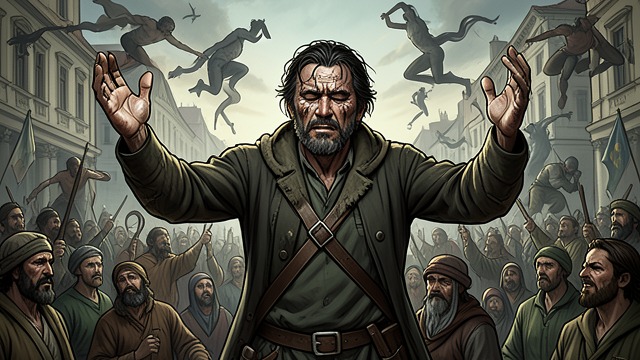
The Enemy Gods Named
Faces of surrender
The narrator imagines gods of stupidity, absolute righteousness, prejudice, and servility. They represent forces that make cruelty seem reasonable and resignation seem wise.
A battle remembered
He connects those forces to humiliations and political disasters across his life. Naming them turns diffuse fear into an adversary he can still challenge.
A Boy Against the Crowd
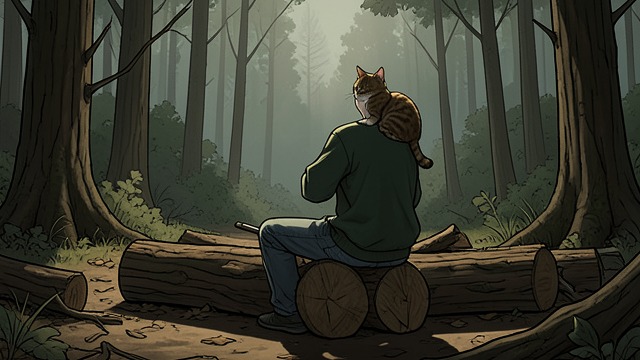
A Boy Against the Crowd
Ridicule and retreat
The boy faces neighbors who laugh at his mother’s predictions. He withdraws to the woodpile, where despair briefly seems more attractive than returning to the crowd.
A return to life
A cat’s company interrupts the impulse to give up. The rescue is small, but it begins the narrator’s lifelong habit of finding reasons to continue.
Defying the Armistice
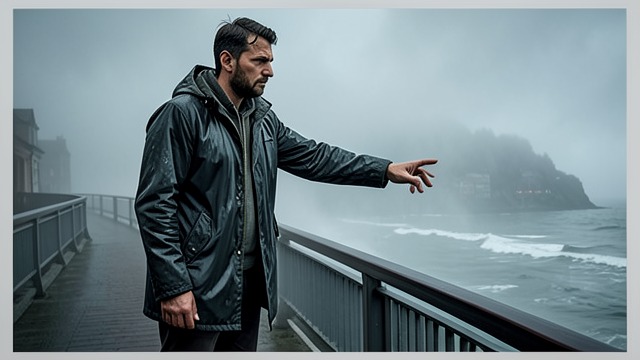
Defying the Armistice
Rebellion against the outcome
The narrator refuses to accept that the armistice ends his responsibility. He risks arrest and death while trying to find a path to England.
Action without certainty
His attempts fail repeatedly, but failure does not persuade him to stop. He treats resistance as a duty even when its prospects are poor.
Refusing to Despair
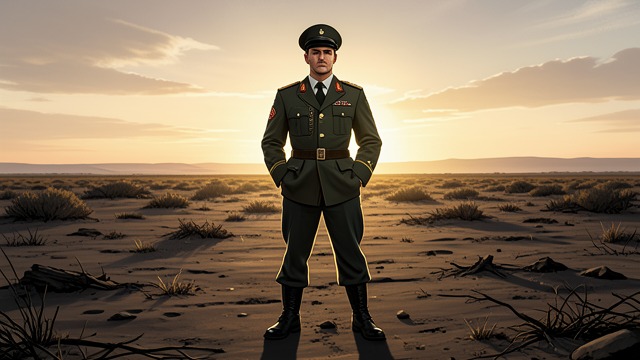
Refusing to Despair
Defeats without surrender
Crashes and noncombat assignments frustrate the narrator, who repeatedly fails to meet his mother’s imagined standard of heroism. He nevertheless returns to duty after each setback.
A chosen temperament
He describes his inability to despair as both a flaw and a source of endurance. Hope keeps him moving even when reason offers little reassurance.
The Torch Passed On
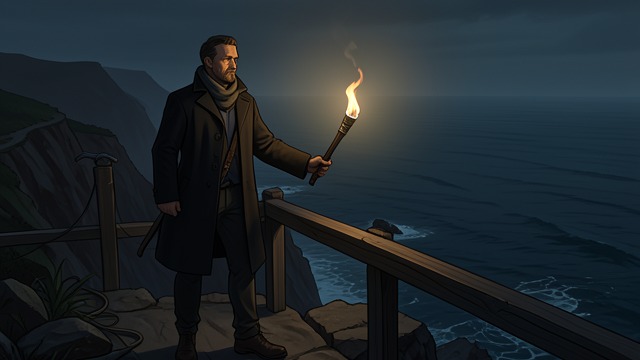
The Torch Passed On
A personal war ends
The narrator recognizes that his own attempt to defeat cruelty and absurdity has failed. He refuses to generalize his personal loss into a final verdict on humanity.
Hands ready to continue
He imagines future people carrying the torch farther. The struggle remains incomplete, but its continuation is a reason for hope rather than resignation.
At Big Sur, as the narrative begins
Childhood in Vilna
June 1940
During wartime service in Africa
Near the end at Big Sur
